9 drugmakers strike deals with Trump, with more to come
Published in News & Features
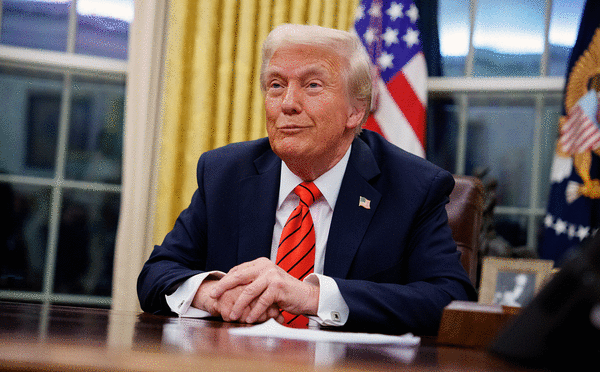
WASHINGTON — President Donald Trump announced deals with nine pharmaceutical companies on Friday, the latest in a series of pacts designed to lower drug prices for some Americans in exchange for a three-year reprieve from threatened tariffs.
The most recent pledges mean 14 of the 17 drugmakers targeted by Trump this summer have agreed to lower prices for the Medicaid program for low-income and disabled people, sell discounted drugs directly to consumers and launch new medicines for the same prices in the U.S. as they do abroad.
“American drug prices will come down fast and furious, and will soon be among the lowest in the developed world,” Trump said during an event in the Oval Office.
Roche Holding AG’s Genentech unit, Novartis AG, Bristol-Myers Squibb Co., Gilead Sciences Inc., Boehringer Ingelheim, Amgen Inc., GSK Plc, Sanofi and Merck & Co. have now negotiated agreements with the administration. The pacts are similar to those struck earlier this year by Pfizer Inc. and AstraZeneca Plc.
The three companies that haven’t announced deals with the administration yet are AbbVie Inc., Johnson & Johnson and Regeneron Pharmaceuticals Inc. All three confirmed they are in talks now with the White House, with Trump saying they still need to offer price concessions to avoid tariffs.
Commerce Secretary Howard Lutnick suggested they would be announcing similar deals after the holidays, as the president looks to roll out the TrumpRx website where the discounted drugs will be available in the new year.
The Food and Drug Administration also announced that Merck will receive expedited review for two potentially lucrative drugs in the company’s pipeline: a cholesterol pill and a cancer therapy. The program is designed to cut review times from 10 to 12 months down to one or two months.
Company executives took turns pledging manufacturing investments and price cuts they said would strengthen America’s health care system, though much of the spending was previously announced and many of the medicines are now facing cheaper competition.
Bristol said it would offer its bestselling blood-thinner Eliquis to the Medicaid program for free, while Gilead said it would cut the price of its hepatitis C drug Epclusa to less than $2,500 from nearly 10 times that figure when it’s purchased through the administration’s forthcoming TrumpRx platform.
“This will have a tremendous impact on health care,” Trump said.
Still, many of the medications the administration touted as displaying its negotiating prowess are already available to the public at discounts. Sanofi’s insulins, for example, are sold through its patient assistance programs for the same price it’s offering on the Trump-branded platform. Others have cheaper generic versions available.
Company executives applauded their deals with the president and touted future commitments that could come.
In an aside, Trump also said he plans to call a meeting with insurance companies to see if they’ll lower prices, an issue he has focused on in recent days. Americans who get insurance through the Affordable Care Act marketplaces are facing steep increases in their monthly payments after Trump and Republicans in Congress resisted extending subsidies that blunt costs.
Trump’s pledge sent health insurance stocks down, with UnitedHealth Group Inc., Elevance Health Inc., and CVS Health Corp. erasing gains in the trading session.
AHIP, the insurance industry trade group, said premiums reflect the cost of medical care and that insurers’ margins and administrative costs are regulated. The group welcomes “any opportunity to discuss common-sense solutions to lower costs for everyone,” AHIP CEO Mike Tuffin said in an emailed statement.
Representatives from UnitedHealth, Elevance, CVS and other major insurers had no immediate comment.
Americans pay the most in the world for medicines, which has been a motivating force for Trump. The companies say that pricing dynamic helps fuel their research, and that the U.S. market works differently than foreign countries.
Companies including Merck, Bristol-Myers and GSK agreed to donate six months’ worth of some raw drug materials to a national stockpile of active pharmaceutical ingredients. They also agreed to manufacture the finished medicines if there’s an emergency, senior administration officials said. The donations include materials to make antibiotics and inhalers to treat respiratory disease.
Democrats have recently demanded more details from companies about whether these tariff relief deals will truly save the U.S. government money, as the agreements are confidential.
(Courtney Subramanian, Jessica Nix and John Tozzi contributed to this report.)
©2025 Bloomberg L.P. Visit bloomberg.com. Distributed by Tribune Content Agency, LLC.




Comments