How the Trump administration’s rhetoric promotes anti-transgender views
Published in News & Features
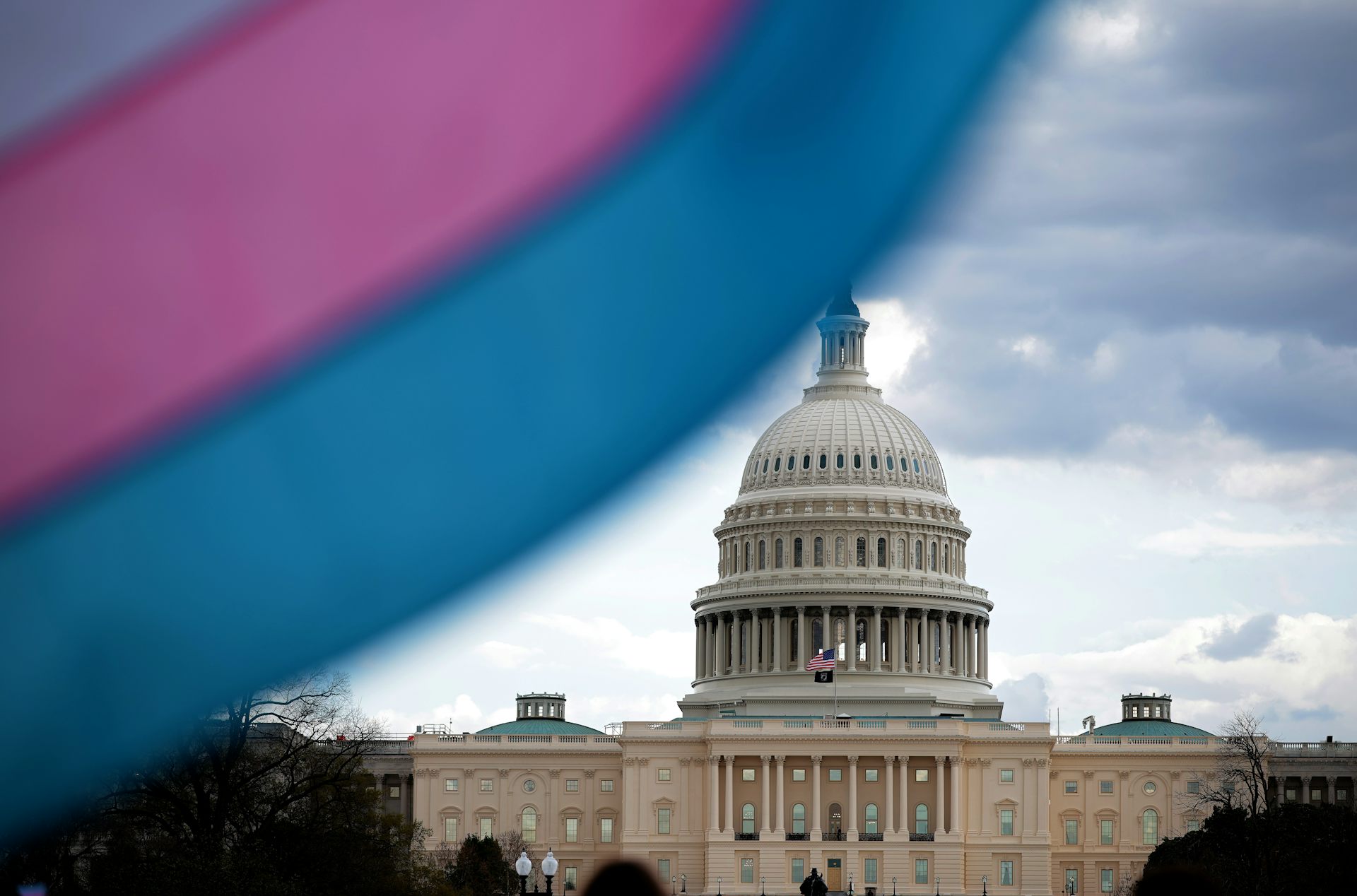
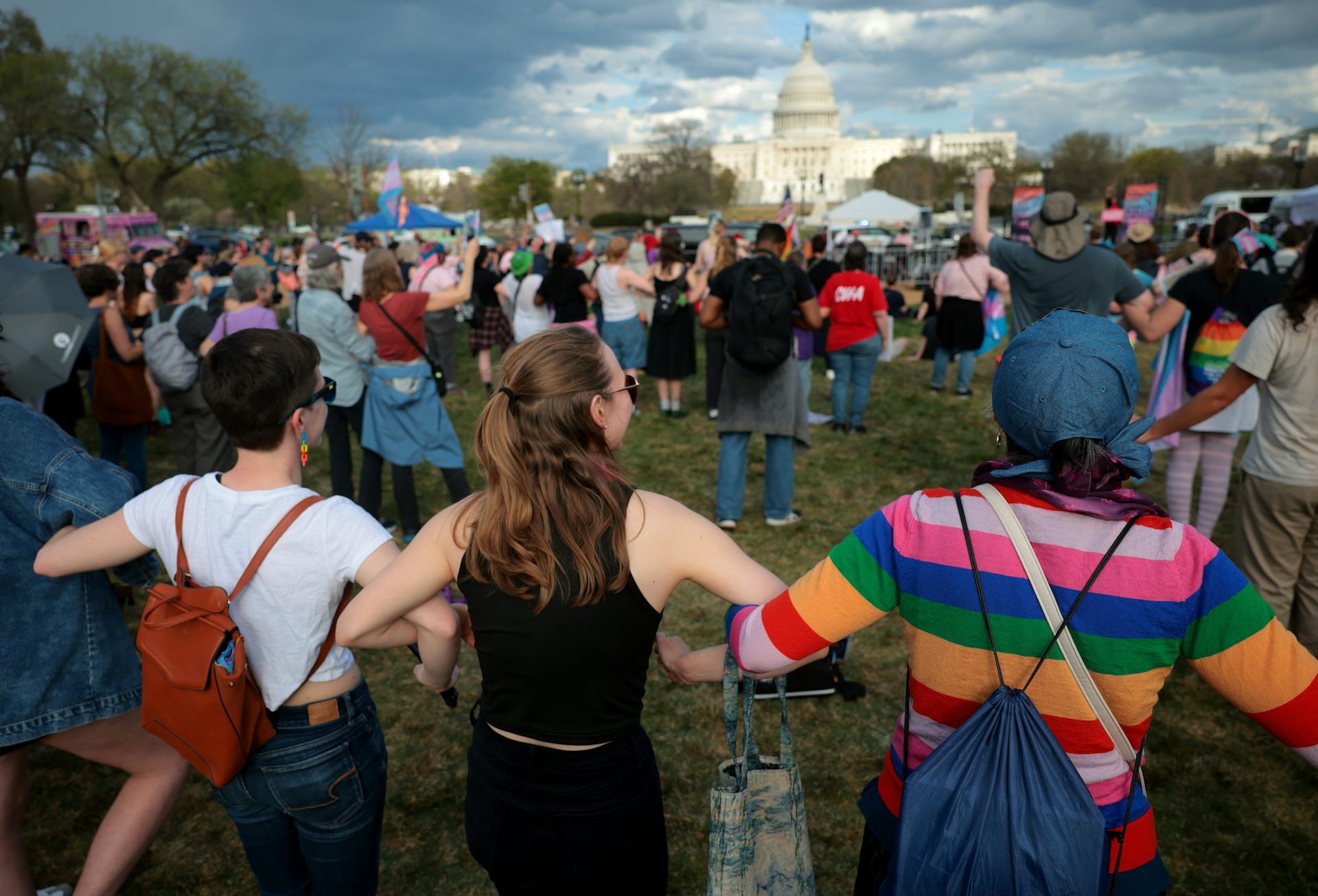

Whether in an Oval Office proclamation signing about commercial fishing or during a Fox News interview while discussing Iran, President Donald Trump finds opportunities to share his views on transgender people.
During a June 2026 signing event, Trump claimed, in response to a question about proposed legislation regarding election procedures, called the SAVE America Act: “We are talking about saving America, right? No men in women’s sports.” He continued, “And we have no mutilization of your children for transgender purposes … where your child leaves your house, and they take your child from you. … In six states, they take the child and do what they want to do. What they do is, is I don’t even want to talk about it. No transgender mutilization of your children.”
Highlighting Trump’s ongoing use of the made-up word “mutilization,” criticism quickly followed his false claims about states forcibly transitioning children. Misrepresentations like these help fuel the transgender moral panic that Trump has provoked since he started instituting restrictions on trans people in his first term.
As a rhetoric scholar for nearly two decades, I have studied how emotions propel rhetoric that goes viral on public platforms like social media and how politicians use emotions for varying purposes, including to bolster anti-trans legislation.
Throughout the Trump administration’s second term, I’ve followed how its officials have invented threats and used provocative language and repulsive imagery to stimulate anti-trans disgust and paranoia in audiences, contributing to public misconceptions and declining support for trans rights and people.
The Trump administration’s anti-trans agenda has flourished since his first term.
Following Republicans’ US$21 million anti-trans and anti-LGBTQ advertising campaign that helped pave Trump’s way to victory in 2024, the administration and its allies have been busy. The White House has denied the existence of trans identity, and states have introduced a deluge of legislation that restricts trans people’s rights and protections, from access to healthcare to passports.
Presidential rhetoric can have a significant impact on public opinion. Since reaching a peak in the early 2020s, overall support for LGBTQ+ issues has since declined in the U.S. Likewise, surveys have shown a decline in support for trans healthcare for minors, a preference for using birth sex on IDs, and increasing support for restrictions in sports for trans people.
Meanwhile, public approval of Trump’s approach to trans issues is relatively high, as compared with his approval ratings on other issues.
A 2024 report by the Human Rights Campaign decried an “epidemic of violence” against trans and gender-expansive people. A 2025 Pew report found that 70% of trans adults have feared for their personal safety, and only 13% of LGBTQ respondents reported social acceptance of trans people.
Though the causes for changing trans views are complex, research suggests Trump’s rhetoric and policies have powerful influence, the ramifications of which are clear. Anti-LGBTQ+ laws and debates negatively affect young queer people, according to the Trevor Project’s 2025 U.S. National Survey on the Mental Health of LGBTQ+ Young People, and are associated with increased stress, discrimination and suicide attempts.
From the Salem witch trials in the 17th century to the war on drugs in the 20th century, moral panics have emerged across history to stoke fear against a perceived threat to a society’s values or well-being.
Moral panics, coined by sociologist Stanley Cohen in 1972, follow a similar pattern: a threat is defined, media exaggerates the threat, public concern increases, authorities respond with laws and policies, and society is transformed.
Research on anti-trans moral panics illustrates their success in propelling anti-trans lawmaking in the U.S. and suggests they are often initiated by people with power, who use their platforms to shape public discourse.
Moral panics elicit a range of negative emotions, but disgust and paranoia are especially potent. Originally a response meant to protect us from disease and spoiled food, disgust has evolved to also express social inappropriateness. Disgust asserts that its object is inherently bad. Since disgust is culturally dependent, it can also be used to marginalize groups of people.
Meanwhile, paranoia focuses on visualizing and preparing for future threats. When experienced as an emotion – outside of psychiatric disorders – paranoia has a righteous undertone, as it seeks to uncover perceived enemies.
Disgust and paranoia are a powerful combination for sustaining moral panics. While disgust produces an intense, immediate physical feeling, paranoia is long-lasting, stewing and existential.
Trump’s offhand remarks often invoke disgust and paranoia against perceived enemies – for example, toward immigrants, whom he has repeatedly described as dangerous criminals. These same patterns emerge in the Trump administration’s formal communication regarding trans issues.
The March 31, 2026, White House press release “President Trump Ended Democrats’ ‘Transgender for Everybody’ Insanity,” which touts the administration’s reversal of protections for trans people, offers several examples.
The release asserts that former President Joe Biden’s 2024 Proclamation of Transgender Day of Visibility “desecrated Easter Sunday with a ‘transgender’ message that elevated radical leftist ideology over faith, family, and biological truth.” Rousing paranoia, “radical leftist ideology” (and later in the release, “gender ideology”) is portrayed as an existential threat that puts Americans and their beliefs in danger.
The release also claimed that “the Trump Administration is celebrating a decisive victory: the swift and unrelenting dismantling of subversive, woke policies that endangered children, eroded women’s rights, assaulted common sense, and dragged America toward moral and cultural decline.”
As a rhetoric scholar, I read these allusions to religion and war – using words like “desecrate” and “victory,” respectively – as implications that the U.S. is in a battle between good and evil. Schools, hospitals, bathrooms, locker rooms, sports facilities and military bases are spaces declared under attack.
The release also condemns “the chemical and surgical mutilation of minors” and “child mutilation programs” – revolting imagery that misleadingly depicts gender-affirming care and incites shock, concern and disgust.
Similarly, invoking images of nonconsenting, victimized children and women, the release denounces “the un-American indoctrination of schoolchildren” and “the unfair, demeaning practice of forcing women to compete against biological men in sports.” Stimulating anger and moral panic, these descriptions encourage anti-trans views and discrimination.
Recognizing these rhetorical patterns is key to understanding how politicians use inflammatory language to denigrate trans people and other marginalized groups, including women, Black people and immigrants.
This article is republished from The Conversation, a nonprofit, independent news organization bringing you facts and trustworthy analysis to help you make sense of our complex world. It was written by: Julie D. Nelson, University of Tampa
Read more:
Anti‑trans bills and political climates are taking a significant mental health toll on trans and nonbinary people – even during Pride
Antagonism to transgender rights is tied to the authoritarian desire for social conformity – not just partisan affiliation
The psychology behind anti‑trans legislation: How cognitive biases shape thoughts and policy
Julie D. Nelson does not work for, consult, own shares in or receive funding from any company or organization that would benefit from this article, and has disclosed no relevant affiliations beyond their academic appointment.




Comments