When ICE sweeps a community, public health pays a price – and recovery will likely take years
Published in Health & Fitness
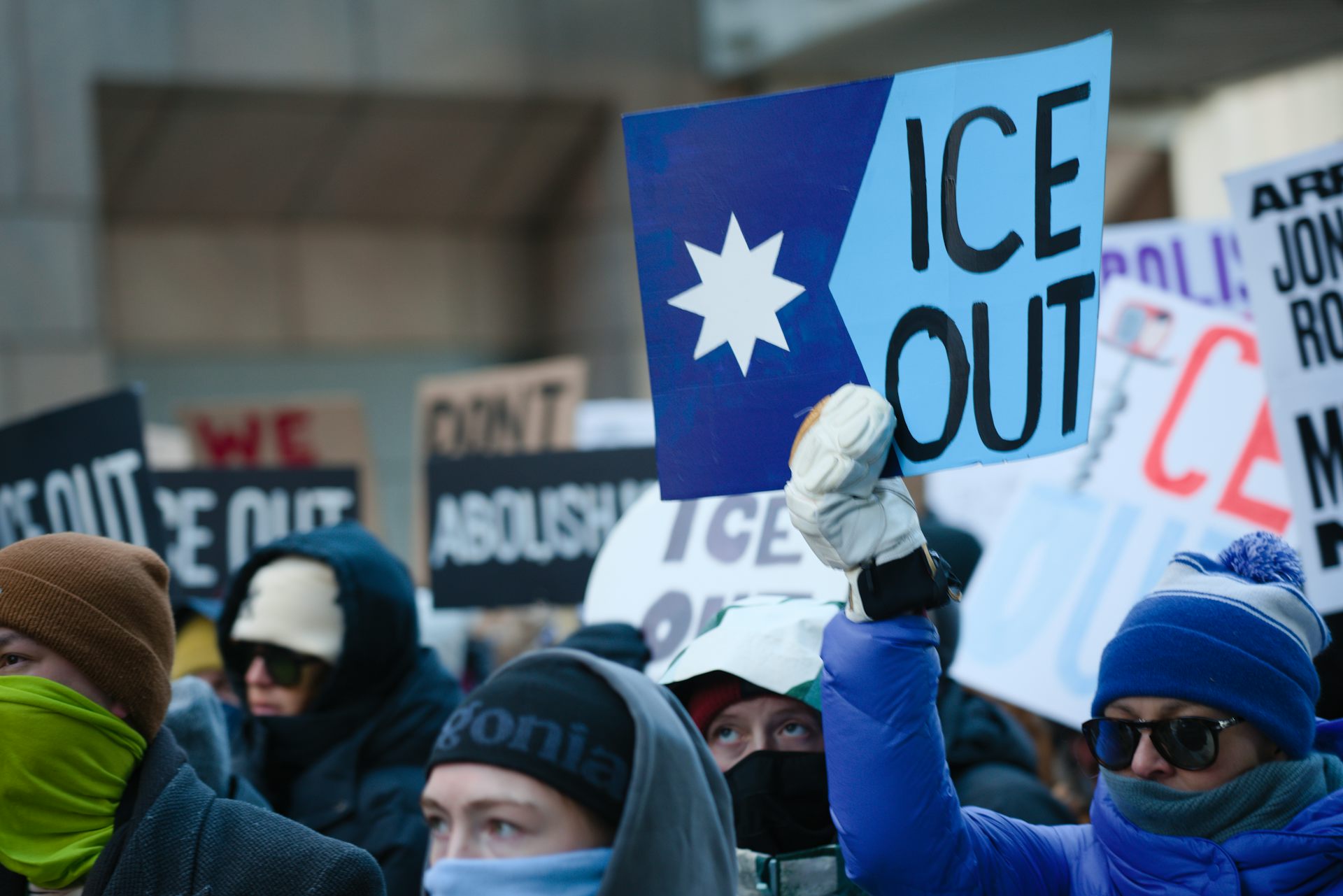


The Trump administration announced on Feb. 12, 2026, that it is ending Operation Metro Surge, its deployment of more than 3,000 federal immigration enforcement agents in Minneapolis, St. Paul and the surrounding metro area. Federal officials say some agents will remain in the area and have vowed that similar immigration sweeps are coming soon to other U.S. cities.
As public health researchers who have been documenting the health impacts of immigration enforcement for over 10 years, we see these immigration sweeps as public health emergencies.
Even before the Trump administration’s recent expansion of immigration enforcement, research has long shown that intensive immigration enforcement operations affect people’s use of health care, ability to access resources to stay healthy, and their mental health and social relationships. Notably, these findings all come from before the Trump administration’s most recent expansion of immigration enforcement. It is fair to assume that the impacts of these current operations will be even greater.
To some extent – particularly in Minneapolis, where mutual aid networks are especially strong – community response can mitigate some of these impacts. One of us (Nicole), as a resident of Minneapolis, witnessed both the unfolding crisis and a powerful community-driven public health response.
But these public health harms will take months or years to reverse, and they provide a troubling preview of what could happen in other cities.
One of the most immediate public health impacts of intensive immigration enforcement is that it makes people hesitant to seek health care, especially if they belong to a nationality or racial group that is being targeted for immigration arrests. For example, studies of Hispanic adults have shown that they are less likely to get an annual checkup or visit their doctor – even if they are U.S. citizens – if they live in a region with more intensive immigration enforcement.
Research has also shown that Medicaid enrollment declines when federal immigration enforcement rises, even among qualifying U.S. citizens.
There is no question that Operation Metro Surge has deterred immigrant patients and their families in Minnesota from seeking medical care. According to one family medicine doctor, primary care visits are down more than 50%. Doctors and health care workers are reporting that patients are delaying needed care, potentially worsening chronic conditions, such as diabetes. Others report that pregnant women are missing prenatal visits and are requesting home births, even in cases where their health conditions would typically require a hospital birth.
Immigration crackdowns also affect public health by restricting people’s access to the resources they need to stay healthy.
For example, income and employment are major predictors of health. But research suggests that overall employment and hourly wages fall in counties that begin collaborating with federal immigration enforcement – partly because people spend less money at stores, restaurants and other local businesses.
This phenomenon is playing out in Minneapolis and St. Paul, where thousands of immigrant families are staying home to avoid encounters with immigration enforcement. In January 2026, immigrant-owned businesses reported reduced traffic, with as many as 80% temporarily closing in some neighborhoods.
Many of public health’s most cost-effective, hard-won programs, such as the Supplemental Nutrition Assistance Program, or SNAP, and the Women, Infants and Children nutrition program, are designed to preserve people’s health even in times of economic scarcity. But enrollment in these programs drops when fear of immigration enforcement intensifies. The same is true for housing, another foundation of public health. Research shows that evictions, missed rent or mortgage payments, and foreclosure rates increase when immigration crackdowns expand.
It is too soon to know the impact on evictions in Minneapolis, but early reports from tenant advocacy organizations indicate that they have seen an 82% increase in requests for help compared to early 2025.
Among the most harmful and enduring impacts of immigration enforcement are the effects on mental health. Our research and that of others shows that people who encounter or have to protect themselves from immigration officials – staying inside to avoid immigration officials, seeing immigration officials in their neighborhood, knowing someone who was deported or being deported themselves – are at higher risk of psychological distress or poor overall health.
Especially for children who witnessed or experienced the arrest, detention or deportation of a family member, these effects can be severe, including separation anxiety and behavioral issues in the short term, as well as long-term risks of anxiety and depression.
Perhaps most painfully, experiencing family separations, missing work or avoiding public space leaves people socially isolated, resulting in fewer emotional resources to cope with these stresses as well as risks to health.
In Minnesota, many immigrant families are not only experiencing the social isolation of staying home from school and work but are also avoiding spaces that may have provided solace and support, such as places of worship. Church attendance has reportedly dropped by half in some congregations, and mosque attendance may be down too.
Amid these challenges, everyday Minnesotans – health care workers, neighbors, faith communities – have taken steps to bridge these gaps.
Trusted neighbors and community organizations ensure that people have rides to doctor visits. Some health care providers are expanding telehealth and home visits to make sure patients receive necessary care. Health care staff and unions are putting pressure on hospitals and health systems to implement policies that limit ICE’s access to patient areas.
Meanwhile, community members are delivering food and necessities to those who are sheltering in place or have lost income. Mutual aid campaigns are raising money to help with rent, organizers successfully campaigned for the city of Minneapolis to expand rental assistance, and more than 60 local organizations are petitioning the governor to enact a statewide eviction moratorium.
Mental health stressors and social isolation are more challenging to address, but some local mental health providers are expanding their reach, while teachers, neighbors and people of faith try to maintain connections with those who are sheltering at home.
This far-reaching response echoes what we have observed in our own research with other communities that have experienced immigration raids: ordinary people, with immigrant families at the forefront, essentially launching an informal disaster response, providing sanctuary and resources.
Public health research has long shown that connected communities are healthy communities, and these ties play a critical role in long-term recovery from public health crises.
But immigration court cases drag on for months and years, as do long-term mental health impacts. Ruptured trust with government takes time to rebuild. That means that as ICE expands its presence across the U.S., the fallout may last for a long time to come.
This article is republished from The Conversation, a nonprofit, independent news organization bringing you facts and trustworthy analysis to help you make sense of our complex world. It was written by: Nicole L. Novak, University of Iowa and William D. Lopez, University of Michigan
Read more:
Families are choosing between their health and staying together
‘We want you arrested because we said so’ – how ICE’s policy on raiding whatever homes it wants violates a basic constitutional right, according to a former federal judge
Migrants often can’t access US health care until they are critically ill – here are some of the barriers they face
Nicole L. Novak has received research funding from the National Institutes of Health, the National Science Foundation, the Robert Wood Johnson Foundation, and the Mid-Iowa Health Foundation. She is a volunteer with the Prairielands Freedom Fund and UNIDOS MN.
William D. Lopez does not work for, consult, own shares in or receive funding from any company or organization that would benefit from this article, and has disclosed no relevant affiliations beyond their academic appointment.









Comments