Childhood experiences of LGBTQ+ stigma can harm romantic relationships decades later – psychologists explain how to reconnect with yourself and your partner
Published in Health & Fitness


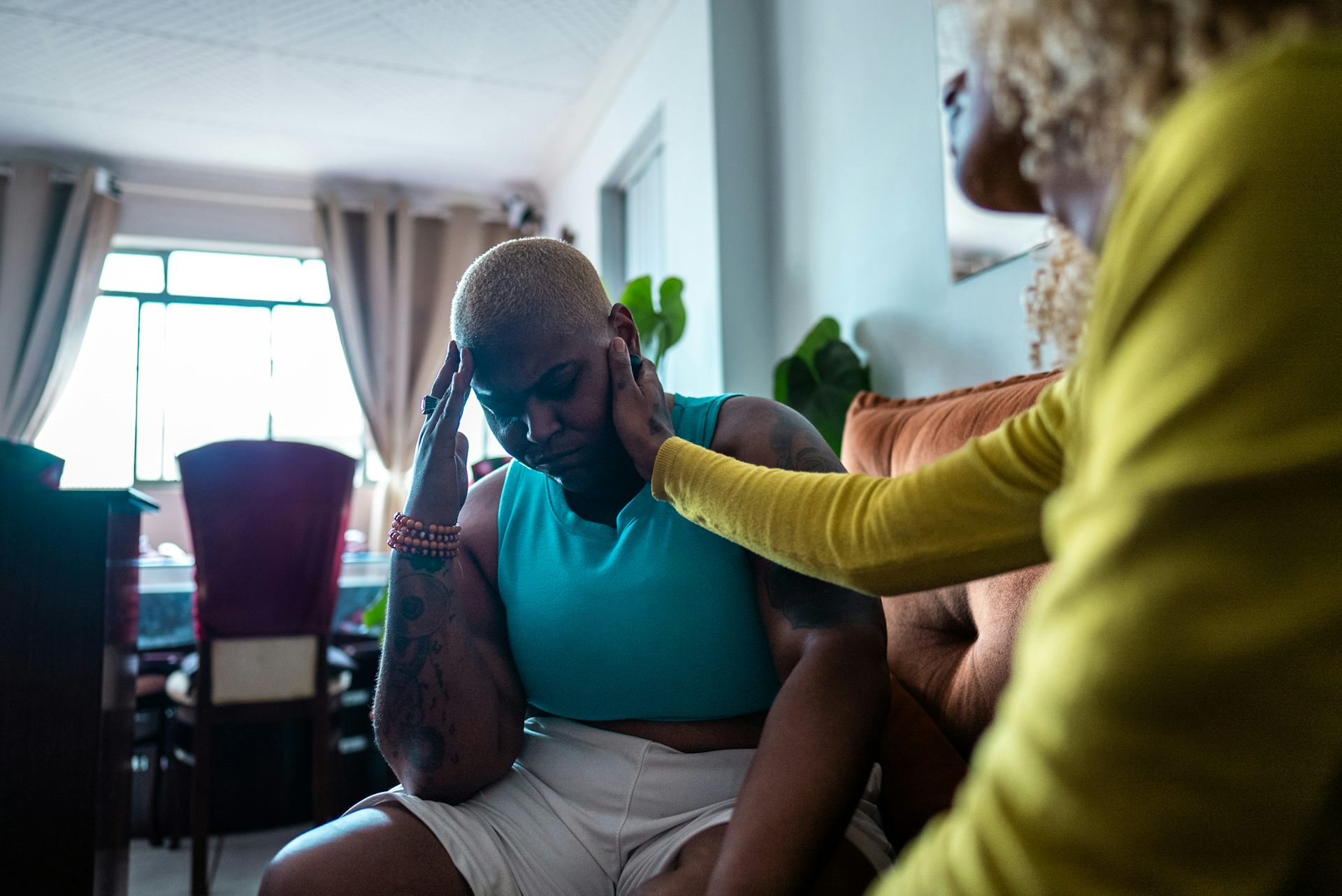



Childhood rejection, discrimination and bullying can affect your well-being as an adult. If your friends, family or community pushed you away because of your sexuality or gender, these childhood experiences of prejudice can also affect your future relationships.
Many LGBTQ+ people encounter difficult experiences as children, including abuse, neglect and challenges at home, because of their sexuality or gender. Other negative experiences – including bullying, witnessing your peers be harassed or ostracized, and the need to conceal your identity to protect yourself – may make it especially challenging to accept your sexuality or gender as an adult.
Developing a negative self-view as a result of these harmful experiences during your formative years is not uncommon. Feelings of shame or unworthiness can carry into your 20s, 30s and beyond, harming your mental health along with your ability to form and maintain romantic relationships.
Fortunately, making meaning of your early experiences can help you heal, reconnecting and strengthening your relationships as a result.
No one’s 20s and 30s look the same. You might be saving for a mortgage or just struggling to pay rent. You could be swiping dating apps, or trying to understand childcare. No matter your current challenges, our Quarter Life series has articles to share in the group chat, or just to remind you that you’re not alone.
Read more from Quarter Life:
What you should know about coming out as LGBTQ+ in your 20s and 30s
How ‘relationship anarchy’ is changing the nature of connection for millennials and Gen Z
Heated Rivalry shows how queer joy can disrupt hockey’s culture of masculinity
Our psychology research team focuses on understanding the connection between childhood anti-LGBTQ+ experiences, well-being and relationship health.
We found that a factor called internalized stigma can notably affect the romantic relationships of LGBTQ+ people. Internalized stigma refers to when society’s negative views and biases toward a part of your identity shapes how you think and feel about yourself. This can influence how you view romantic relationships and how you interact with your romantic partners.
People with higher levels of internalized stigma report more conflicts and less satisfaction in their relationships. Research suggests that internalized stigma can negatively affect key aspects of romantic relationships that keep people satisfied with their partners, including trust, connection and intimacy.
For some, internalized stigma might result in low self-esteem, feeling like you are inadequate or unworthy, feeling disengaged from the LGBTQ+ community or wanting to pass as heterosexual or cisgender.
Internalized stigma can also shape how secure you feel in romantic relationships. For some, these negative self-views can lead to difficulties with commitment and more conflict between partners.
In our study of 80 LGBTQ+ couples, we found that childhood emotional wounds tied to sexuality or gender can carry into adulthood, shaping a person’s relationships in their 20s and 30s.
Specifically, LGBTQ+ adults with more childhood anti-LGBTQ+ experiences reported less trust in their partner and reduced emotional and sexual intimacy – key ingredients in a healthy and satisfying romantic relationship.
It’s worth remembering that these negative beliefs about yourself don’t develop overnight. It also takes time to recognize and change how you react to them.
Exploring whether your symptoms of guilt, shame and low self-esteem are related to internalized stigma is a critical part of beginning to navigate it. Recognizing and pinpointing where these beliefs came from, which may include negative messages from society or your family, is an important first step.
Practicing self-compassion – that is, offering yourself warmth, nonjudgment and understanding during stressful and challenging moments – can reduce anxiety, depression and internalized stigma. Instead of becoming overwhelmed by your emotions and the stressors you encounter, self-compassion allows you to attend to these experiences in a balanced way.
Show yourself patience and acceptance after difficult moments, such as when you’re feeling undervalued, alone or ashamed because of your sexuality or gender. Adopting mantras such as “I am enough,” “I can overcome hard things” and “May I be kind to myself and give myself compassion in this moment” is one way to practice self-affirmation.
Building in opportunities in your daily life to engage with your interests and finding positive outlets for stress can improve your mood by reigniting joy and a sense of accomplishment. For some, this might include expressive writing, reading, going for a walk or listening to a podcast.
You may also want to explore how shame and guilt around your sexual or gender identities can show up in your relationships. Intentionally carving out ways to support and connect with your partner can create emotional safety by building intimacy and closeness.
Importantly, stigma and shame don’t have to become the only thing you and your partner talk about. Strengthening positive aspects of your relationship can help you continue finding ways to bond.
Talking with your partner or other community members who have had similar experiences may provide a sense of connection.
Seeking professional support for your relationships can help reconnect you with your partner. Many LGBTQ+ people face barriers to seeking professional relationship support, including fear of discrimination and concerns about working with providers who lack expertise on LGBTQ+ issues.
Online self-directed relationship programs that are tailored for LGBTQ+ relationships may be more approachable. Find trained providers who are LGBTQ+ friendly, affirming and willing to advocate for your needs.
Lastly, recognize that the onus for change is not solely on you and your partner. Change also needs to come at a societal level. You can empower yourself and others by connecting with other people in the LGBTQ+ community, including mentoring LGBTQ+ youth. Many face similar experiences, and you are not alone.
This article is republished from The Conversation, a nonprofit, independent news organization bringing you facts and trustworthy analysis to help you make sense of our complex world. It was written by: Melissa Gates, Binghamton University, State University of New York and Christina Balderrama-Durbin, Binghamton University, State University of New York
Read more:
What is love? A philosopher explains it’s not a choice or a feeling − it’s a practice
Trans joy and family bonds are big parts of the transgender experience lost in media coverage and anti‑trans legislation
Why are we so obsessed with charismatic leaders?
The authors do not work for, consult, own shares in or receive funding from any company or organization that would benefit from this article, and have disclosed no relevant affiliations beyond their academic appointment.










Comments