Environmental Nutrition: Save more money at the farmers market
Published in Health & Fitness
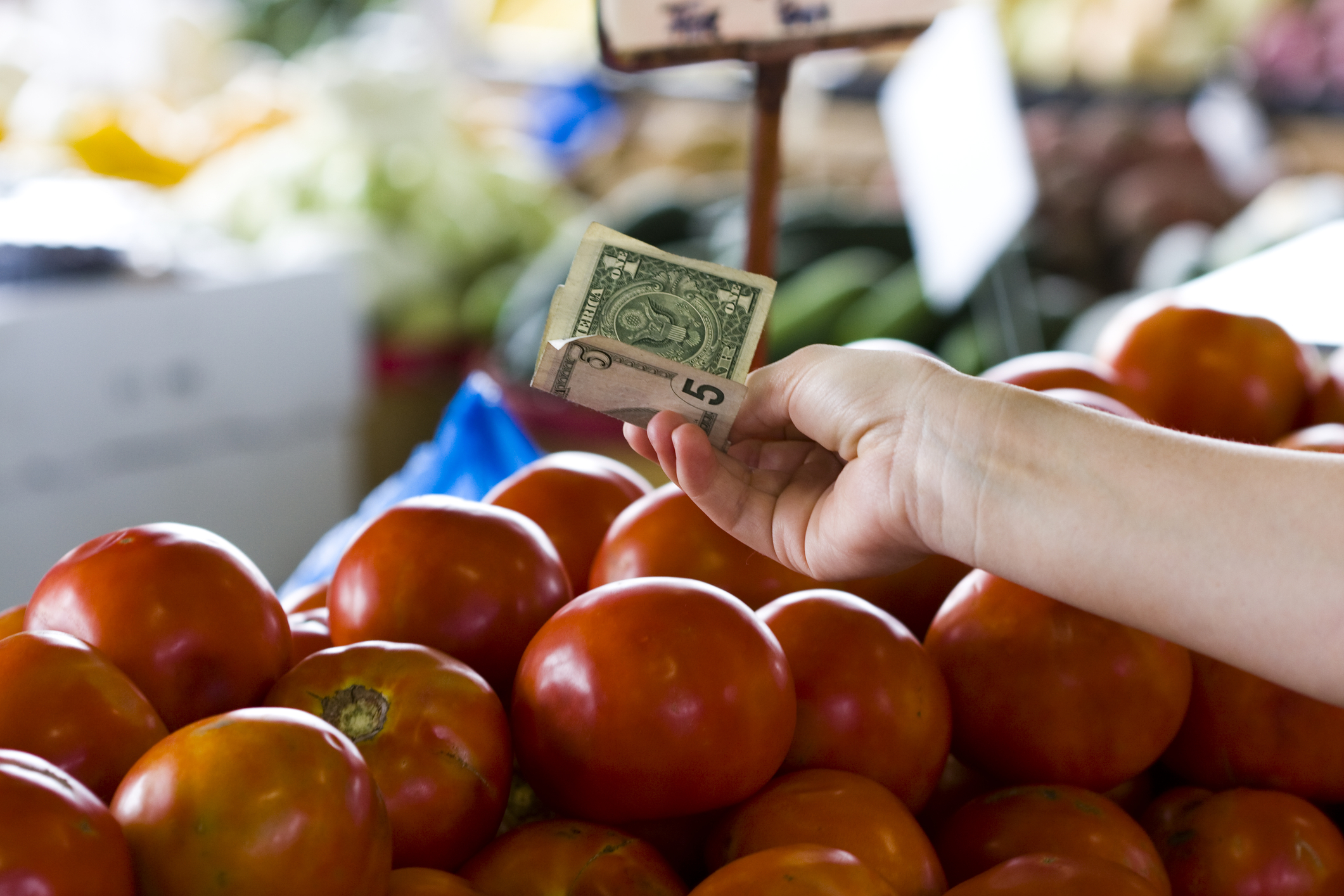
Farmers markets are often associated with freshness, community and high-quality produce — but not always with affordability. While it’s easy to assume that buying directly from local growers will save money, many shoppers find themselves spending more than expected. Fortunately, with a few simple strategies, it’s entirely possible to enjoy the benefits of farmers market shopping without stretching your budget.
Timing. One of the easiest ways to save is by timing your visit strategically. Arriving toward the end of the market day can work in your favor, as vendors are often eager to sell remaining inventory rather than pack it up. This can lead to discounts or bundled deals, such as multiple items for a reduced price. While the selection may be slightly picked over, the savings can be significant.
Consider cash. Another helpful habit is bringing cash — especially small bills. Not only does this make it easier to stick to a predetermined budget, but it can also cre- ate opportunities for simple negotiations. Vendors may be more willing to offer a deal when transactions are quick and straightforward, and a set amount of cash naturally limits impulse spending.
Map it out. Before making any purchases, take a full lap around the market. Prices can vary widely between vendors, even for the same items. A quick survey allows you to compare options and identify the best value, helping you avoid overpaying in the moment.
Stay in season. Shopping for seasonal produce is another key strategy. Fruits and vegetables that are in peak season are typically more abundant, which drives prices down while ensuring optimal flavor and nutritional value. For example, berries and tomatoes are often more affordable in the summer, while root vegetables and squash tend to be budget-friendly in the fall.
Choose wisely. It’s also wise to be selective about what you buy. Prepared or “value-added” items like baked goods, jams, and ready-to-eat meals can quickly inflate your total. While these items can be enjoyable treats, limiting them — or skipping them altogether — can help keep your spending in check.
Communicate with vendors. Don’t hesitate to ask vendors about produce that may be slightly bruised or imperfect. These items are often sold at a discount and are perfectly suitable for cooking, baking or blending into smoothies. Similarly, buying in bulk can lead to savings if you plan to use everything you purchase. If not, consider splitting larger quantities with a friend or family member.
Make (and follow) a list. Creating a simple shopping list before you go can also make a meaningful difference. Limiting yourself to a handful of essential items reduces the temptation to overspend and helps you stay focused on your needs rather than impulse buys.
The bottom line. With a bit of planning and mindful shopping, farmers markets can become not only a source of fresh, nutritious food, but also a budget-friendly part of your routine.
(Reprinted with permission from Environmental Nutrition, a monthly publication of Belvoir Media Group, LLC. 800-829-5384. www.EnvironmentalNutrition.com.)
©2026 Belvoir Media Group. Distributed by Tribune Content Agency, LLC.









Comments