How to Stay Fashionable When the Temperature Drops
Published in Fashion Daily News
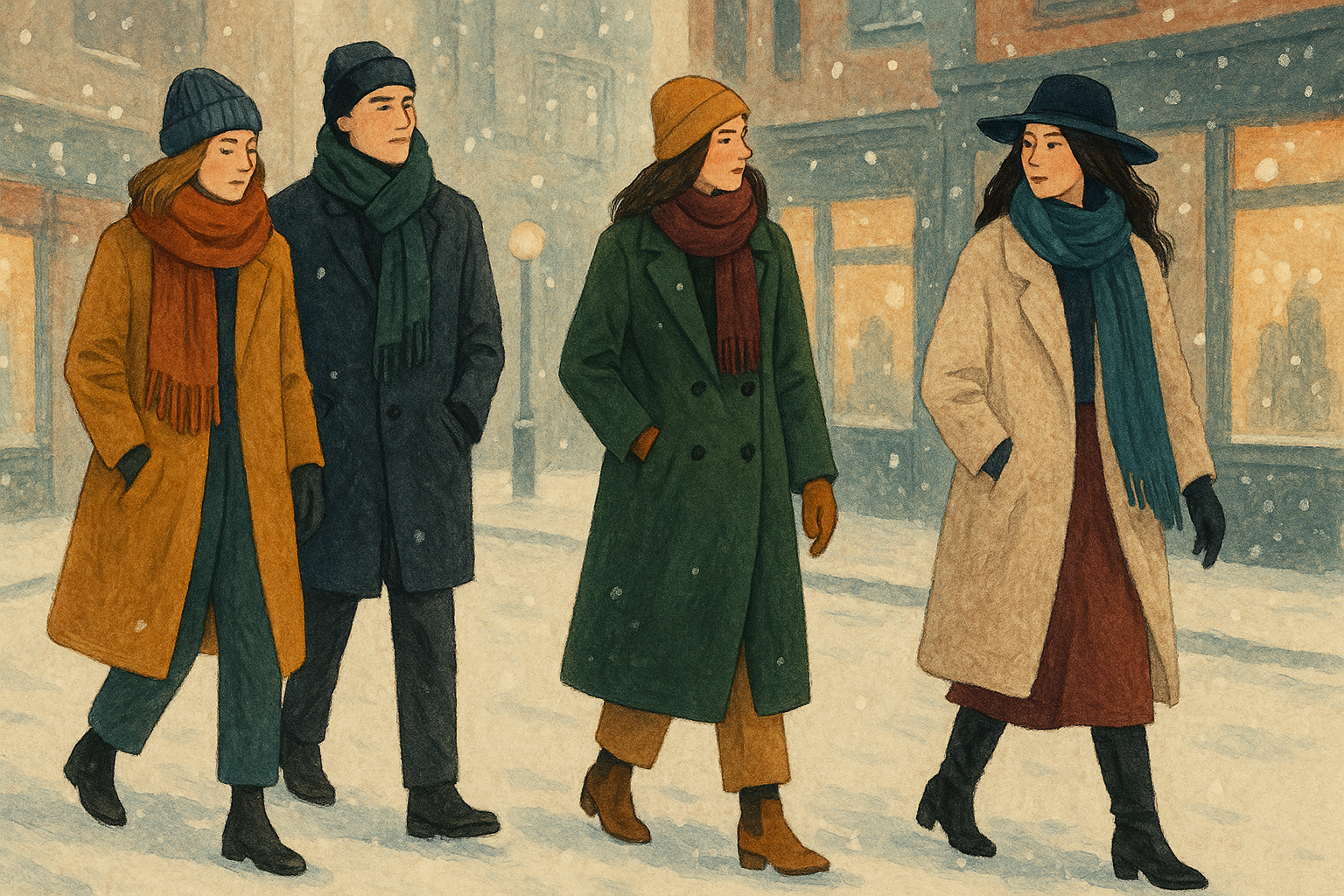
Cold weather has a way of testing personal style. Bulky coats, sensible footwear and layers piled on for warmth can make even the most confident dresser feel boxed in. Yet winter fashion does not have to mean sacrificing individuality or polish. With thoughtful choices and an eye toward proportion, texture and versatility, cold-weather dressing can be both practical and expressive.
Fashion in winter is less about chasing trends than about mastering fundamentals. The season rewards planning, restraint and an understanding of how garments work together. When done well, cold-weather style often looks more intentional and cohesive than warm-weather dressing ever does.
Start With a Strong Outer Layer
The coat is the most important piece of winter clothing. It is the item seen most often and the one that sets the tone for everything worn underneath. A well-chosen coat can elevate even the simplest outfit.
Classic silhouettes endure for a reason. A tailored wool overcoat, a structured pea coat or a streamlined parka offers longevity and adaptability across years and trends. Neutral colors such as black, navy, camel, gray and olive provide flexibility, while a single statement coat — perhaps in a rich plaid, deep jewel tone or textured fabric — can serve as a seasonal signature.
Fit matters more than embellishment. A coat should allow room for layers without appearing oversized. Sleeves should fall cleanly at the wrist, shoulders should sit naturally, and length should complement the wearer’s proportions. A coat that fits properly instantly reads as polished, regardless of price point.
Layer With Intention, Not Bulk
Layering is both a necessity and an art form in cold weather. The goal is warmth without unnecessary volume. Thin, high-quality layers outperform thick, bulky ones and allow for better movement and cleaner lines.
Start with a base layer that traps heat without adding weight. Fine-gauge merino wool, silk blends and modern thermal fabrics provide insulation while remaining discreet. From there, add mid-layers such as cardigans, lightweight sweaters or tailored vests. These pieces should complement each other in color and texture rather than compete.
Visual balance is key. Mixing fitted and relaxed layers prevents an outfit from appearing shapeless. For example, a slim turtleneck paired with a slightly looser jacket creates contrast while maintaining structure. Avoid stacking too many heavy items; three well-chosen layers usually suffice for most winter conditions.
Choose Fabrics That Work Hard and Look Good
Fabric choice is central to winter fashion. Cold weather favors materials that provide warmth, durability and visual depth. Wool, cashmere, tweed, corduroy and flannel all perform well while adding texture and richness to an outfit.
Texture is particularly important when color palettes skew darker in winter. Subtle variation — a ribbed knit, a brushed wool, a matte leather — keeps outfits visually interesting without relying on bold patterns. Mixing textures within a single color family can create a sophisticated, layered look.
Synthetic fabrics have improved significantly and can play a role, especially in outerwear. Look for pieces that balance technical performance with classic styling. Avoid overly shiny finishes unless they serve a clear aesthetic purpose, as they can appear dated quickly.
Footwear Sets the Foundation
Shoes anchor an outfit, and winter footwear must balance style with function. The best options manage to look intentional while handling cold, moisture and uneven surfaces.
Leather boots are a winter staple. Chelsea boots, lace-up boots and simple ankle boots work across casual and formal settings when well maintained. Rubber-soled boots designed for wet or icy conditions are practical, but choosing streamlined designs helps them integrate seamlessly into everyday outfits.
Care is part of fashion. Clean, conditioned footwear looks better and lasts longer. Rotating shoes allows them to dry fully between wears, preserving shape and finish throughout the season.
Use Accessories Strategically
Accessories are where winter fashion truly shines. Scarves, hats and gloves are not afterthoughts; they are opportunities to add color, texture and personality.
A well-chosen scarf can transform a basic coat into a statement. Wool, cashmere and blended fabrics provide warmth without stiffness. Patterns such as plaids or subtle stripes add interest, while solid colors in rich hues can brighten neutral outerwear.
Hats should complement face shape and coat style. Knit caps, structured wool hats and classic beanies each convey a different mood. Gloves, too, matter. Leather gloves lined with wool or fleece offer warmth and elegance, while knit gloves suit more casual looks.
The key is cohesion. Accessories should feel connected to the rest of the outfit, not randomly added. Repeating a color or texture across multiple items creates visual harmony.
Mind Proportion and Silhouette
Cold-weather clothing can easily overwhelm the body if proportions are ignored. Paying attention to silhouette keeps winter outfits sharp rather than cumbersome.
Long coats pair well with slimmer trousers or fitted skirts, creating balance. Chunky knits work best with streamlined bottoms. If everything is oversized, the result can appear accidental rather than intentional.
Belts, seams and structured tailoring help define shape beneath layers. Even subtle shaping, such as a coat with a gentle taper at the waist, makes a difference. The aim is not restriction but clarity of form.
Keep Color Palettes Thoughtful
Winter wardrobes often default to dark tones, but thoughtful color choices prevent monotony. Earth tones, deep blues, forest greens and warm neutrals work particularly well in cold weather light.
Limiting an outfit to two or three colors creates cohesion. Adding one contrasting element — a scarf, gloves or shoes — introduces interest without overwhelming the look. Monochromatic outfits, when varied by texture, can be especially effective and flattering.
Seasonal color does not mean abandoning personal preference. Instead, adapt favored colors into winter-appropriate fabrics and combinations.
Practicality Is Part of Style
True winter style accounts for real conditions. Clothing that leaves the wearer cold, uncomfortable or distracted ultimately fails, no matter how good it looks.
Pay attention to insulation, wind resistance and ease of movement. Choose pieces that suit daily routines, whether that involves commuting, walking, or extended time outdoors. Fashion that supports rather than fights lifestyle choices feels confident and authentic.
When clothing functions well, it allows the wearer to forget about it — and that ease is often what reads as style.
Confidence Is the Final Layer
The most important element of winter fashion is confidence. Wearing clothes that fit well, feel comfortable and align with personal taste naturally changes posture and presence.
Cold weather rewards people who commit to their choices rather than apologizing for practicality. A solid coat, purposeful layers and considered accessories communicate intention. When comfort and aesthetics align, the result is style that feels effortless even in the depths of winter.
Fashionable cold-weather dressing is not about excess or novelty. It is about clarity, balance and choosing pieces that work together over time. Done well, winter can become the most stylish season of all.
========
This article was written, in part, utilizing AI tools.






Comments