Richard Pan shaped California's strict vaccine laws. Now he takes on new battles in Congress
Published in Political News
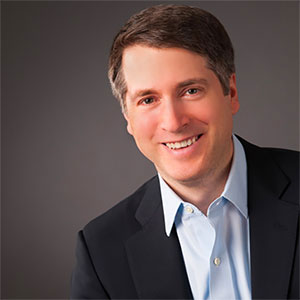
Dr. Richard Pan, a pediatrician and former California lawmaker known for reshaping the state's school vaccine laws into some of the strictest in the nation, is heading to Washington after winning a seat in Congress, where he hopes to pursue universal preschool and reverse federal healthcare cuts expected to affect millions of children and families.
The Sacramento Democrat's first priority is restoring Medicaid, which has seen funding cuts and an added work requirement under the Trump administration's tax and spending law known as the One Big Beautiful Bill Act. The challenge of having to navigate the work-requirement rules is expected to leave many still-eligible families without aid.
Medicaid, known as Medi-Cal in California, remains a crucial lifeline to healthcare. Even with fewer people benefiting because of Trump administration policies, Medi-Cal still provides health insurance to nearly 14 million residents, or more than 1 in 3 Californians. Roughly 5 million of those are children and young adults under the age of 21.
Pan also hopes to reinstate federal tax credits that helped families purchase affordable health insurance through Covered California. When those pandemic-era subsidies expired at the end of 2025, enrollees saw their health insurance monthly premiums rise 50% to 60%.
Democrats, in the minority at the time, tried to extend the subsidy. Republicans and the Trump administration, citing the costs, allowed them to expire.
Pan's ambitious agenda also includes challenging the Trump administration's handling of public health and restoring trust, including in immunization recommendations.
"We just had three deaths this week from measles," said Pan, who was interviewed in early November. He also pointed to cuts to food-safety oversight, the elimination of a committee in charge of newborn screening recommendations and a vaccine advisory committee whose 17 members were dismissed by Kennedy and replaced with his own appointees, including several who have questioned vaccine safety.
"This all needs to stop," Pan said. "And if this administration under Donald Trump and RFK Jr. is not willing to stop, then Congress is going to need to hold them accountable."
Pan's win was part of a wave of healthcare providers preparing to take office. They are likely to put a spotlight on the Trump administration's overhaul of the Department of Health and Human Services under Secretary Robert F. Kennedy Jr. and vaccine policy, said Dorit Reiss, a professor of law and a health policy expert at UC Law San Francisco.
"There are several people that are very devoted to children's health that I think will make these issues a priority," Reiss said.
Trump may be less willing to stand by his health secretary if his policies are less politically popular, Reiss said.
"I think there's a real question on how much tolerance the administration will have for Kennedy, given the result of the election," Reiss said.
Other Democratic health professionals joining Congress are pediatrician Annie Andrews of South Carolina and epidemiologist Abdul El-Sayed of Michigan, both elected to the Senate. In the House, Pan will be joined by New Jersey's Adam Hamawy, a former Army surgeon.
Republicans also have had health professionals in their ranks, notably outgoing Louisiana Sen. Bill Cassidy, a liver doctor who lost in the Republican primary to a Trump-backed challenger, and OB-GYN Roger Marshall, a Kansas Republican senator who lost his bid for reelection. Cassidy, a staunch supporter of vaccines, was critical of Kennedy, but ultimately voted in line with other Republicans to support his confirmation. Marshall was a vocal supporter of Kennedy's health agenda. Two remaining Republican physicians are Sens. John Barrasso from Wyoming and Rand Paul from Kentucky.
Pan, who helped eliminate personal-belief exemptions from California's school immunization requirements, suggested that Congress could consider taking authority over the federal vaccine advisory committee away from the HHS secretary.
The child-care crisis, which has emerged as a political talking point for both parties, also is an issue for which he has an agenda to pursue.
As a pediatrician and member of a commission that oversaw early childhood funding, Pan said he has seen firsthand the pressures families with young children face. He wants to strengthen services for children with special needs, restore the expanded child tax credit and work toward universal preschool.
"It's a critical time in child development," Pan said. "We need to have the political will to put the resources in."
©2026 Los Angeles Times. Visit at latimes.com. Distributed by Tribune Content Agency, LLC.






Comments