Supreme Court ruling in Trump v. Slaughter turbocharges presidential power
Published in News & Features
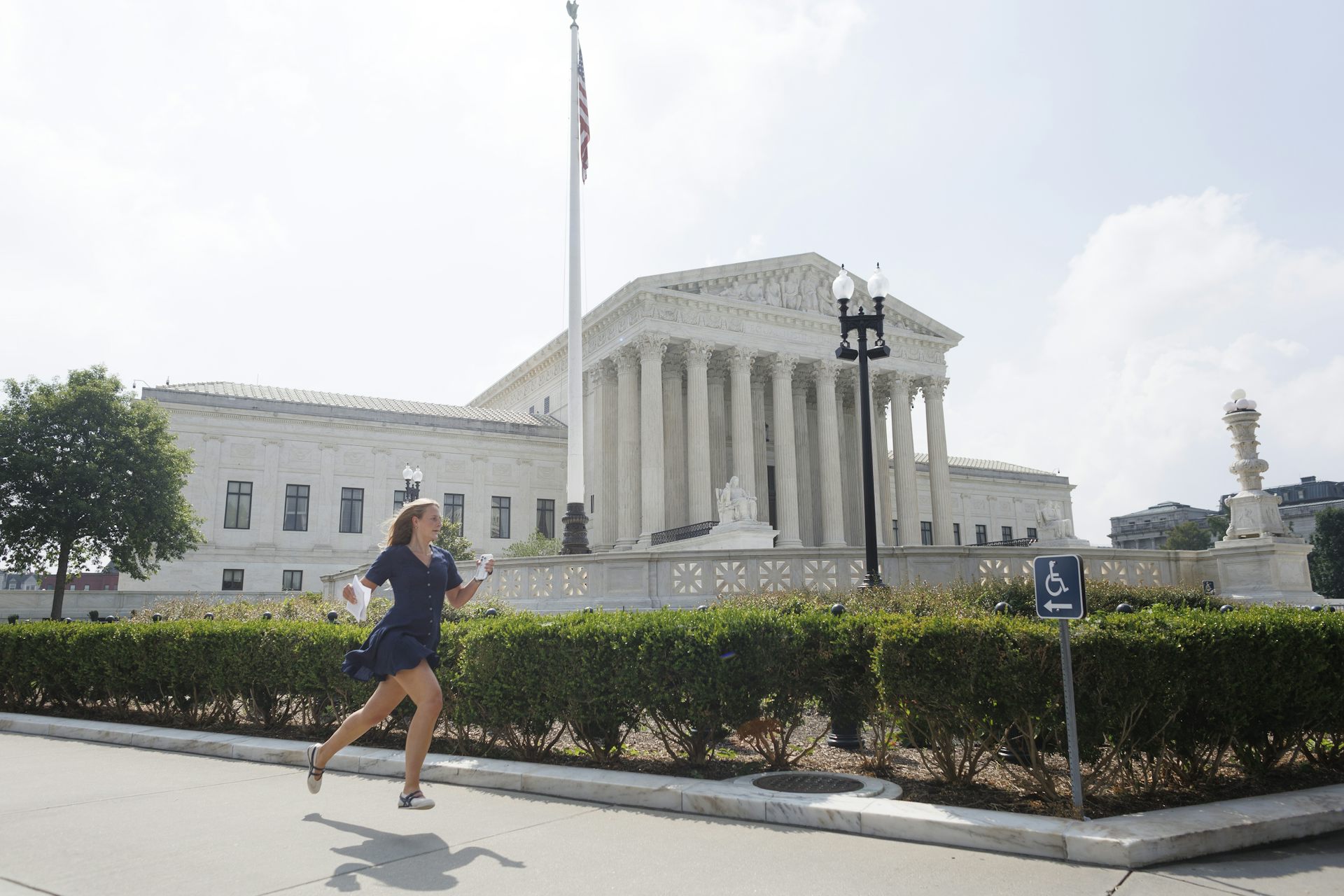

The U.S. Supreme Court – with its six conservative justices, three of whom were nominated by President Donald Trump – has recently reversed landmark decisions that have long guided American government and society. Over the last few years, the court has stripped federal protection of abortion rights, affirmative action, gun control, and a significant portion of the 1965 Voting Rights Act.
In its highly anticipated decision on June 29, 2026, in the case of Trump v. Slaughter, the court has added the political independence of nominally independent agencies to that list, allowing the president to fire members of the Federal Trade Commission. The ruling overturns a case that had held sway for 91 years.
The court’s 6-3 decision in Slaughter also effectively endorses the unitary executive theory, thereby greatly expanding the power of the president.
As a political science scholar who studies presidential power, I believe the unitary executive theory is perhaps the most contentious and consequential constitutional theory of the past several decades. And its judicial approval threatens to upend much of American governance.
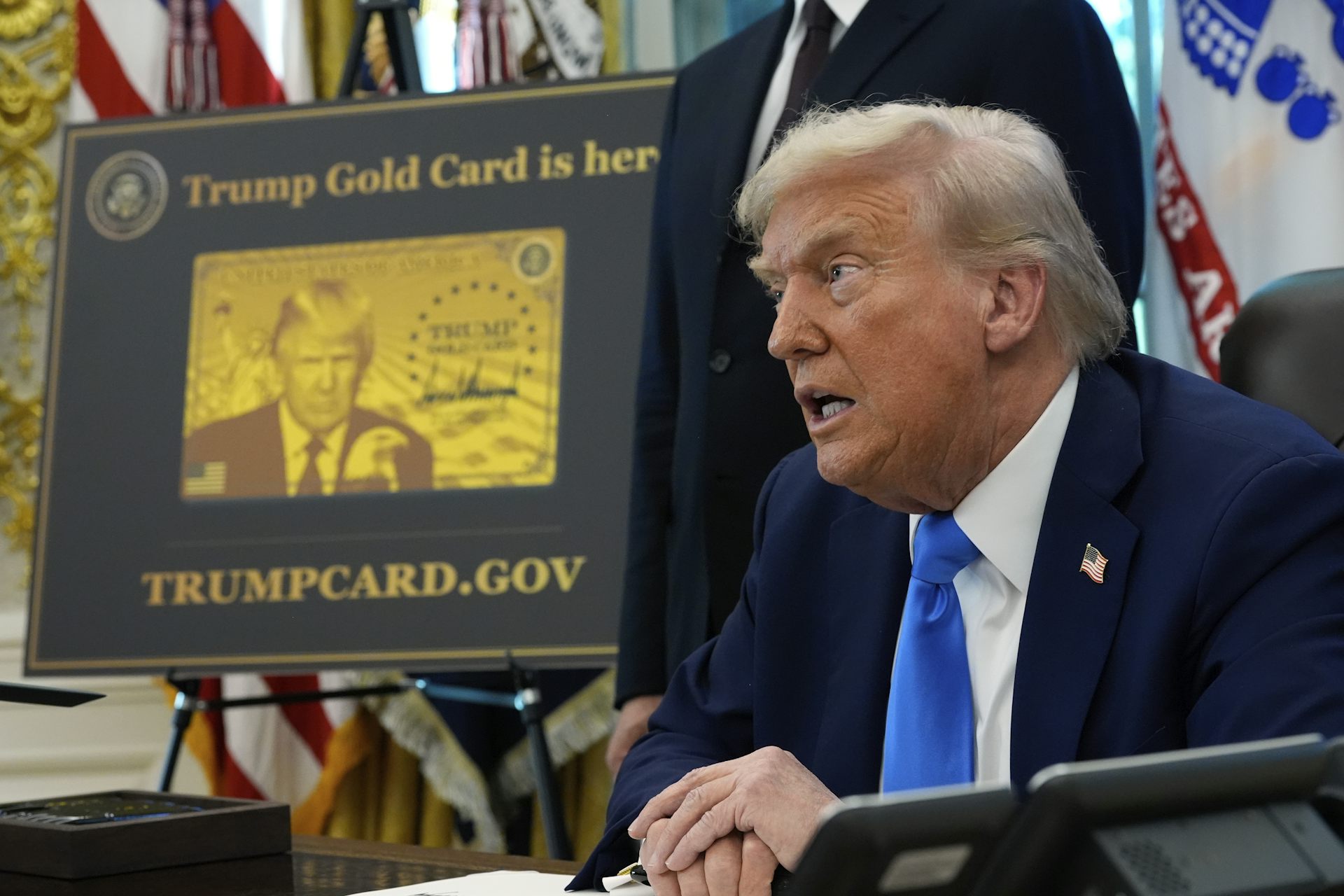
In 2017, Trump complained that the scope of his power as president was limited: “You know, the saddest thing is that because I’m the president of the United States, I am not supposed to be involved with the Justice Department. I am not supposed to be involved with the FBI, I’m not supposed to be doing the kind of things that I would love to be doing. And I’m very frustrated by it.”
The unitary executive theory suggests that such limits wrongly curtail the powers of the chief executive.
Formed by conservative legal theorists in the 1980s to help President Ronald Reagan roll back liberal policies, the unitary executive theory promises to radically expand presidential power.
There is no widely agreed upon definition of the theory. And even its proponents disagree about what it says and what it might justify. But in its most basic version, the unitary executive theory claims that whatever the federal government does that is executive in nature – from implementing and enforcing laws to managing most of what the federal government does – the president alone should personally control it.
This means the president should have total control over the executive branch, with its dozens of major governmental institutions and millions of employees. Put simply, the theory says the president should be able to issue orders to subordinates and to fire them at will.
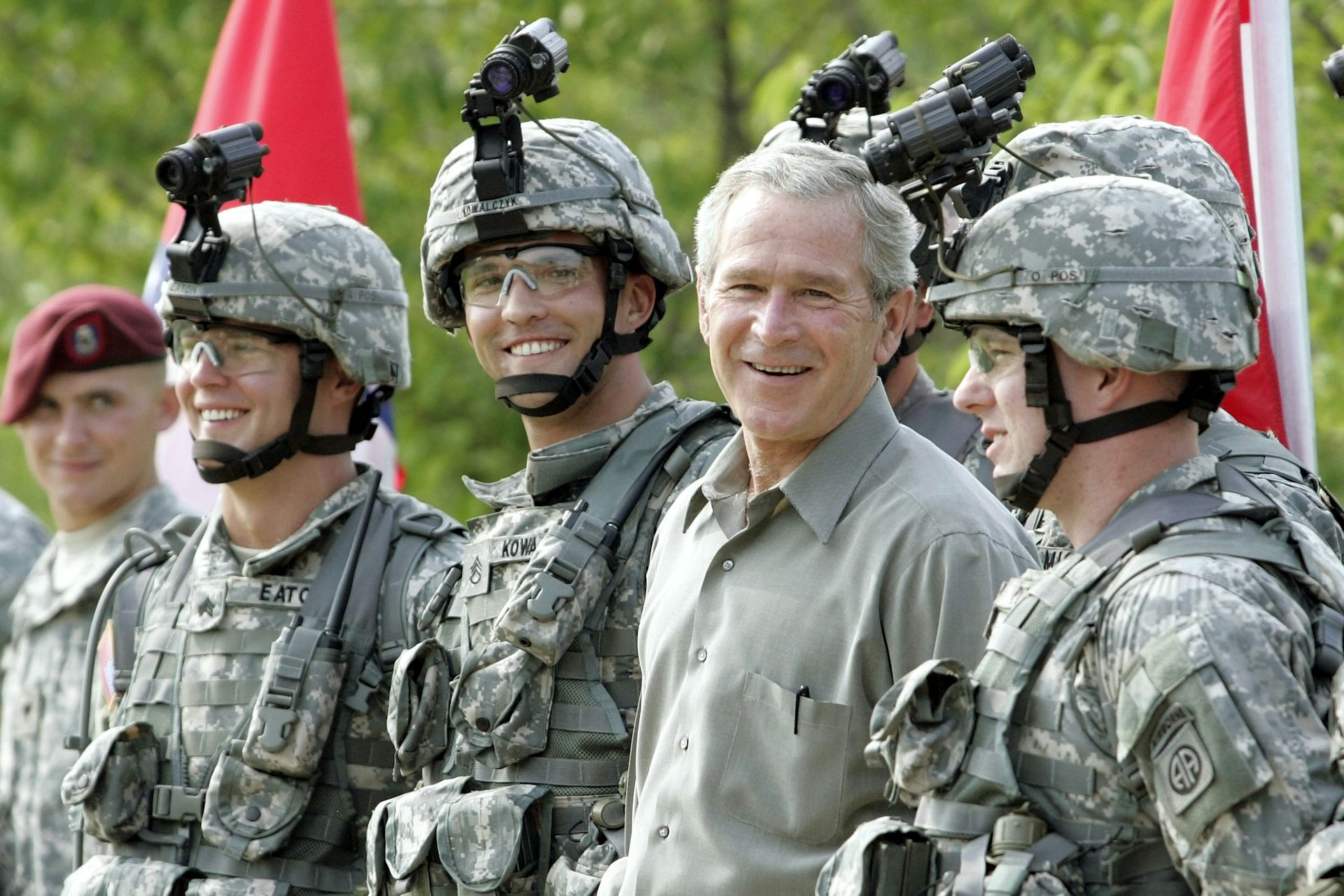
The president could boss around the FBI or order the U.S. attorney general to investigate his political opponents, as Trump has done. The president could issue signing statements – a written pronouncement – that reinterpret or ignore parts of the laws, like George W. Bush did in 2006 to circumvent a ban on torture. The president could control independent agencies such as the Securities and Exchange Commission and the Consumer Product Safety Commission. And the president might possess inherent power to wage war as he sees fit without a formal authorization from Congress, as officials argued during Bush’s presidency.
A theory is one thing. But if it gains the official endorsement of the Supreme Court, it can become governing orthodoxy. It appears to many observers and scholars that Trump’s actions intentionally invited court cases by which he hoped the judiciary would embrace the theory and thus permit him to do even more. And now the court has effectively granted Trump that wish.
Until recently, the judiciary tended to indirectly address the claims that now appear more formally as the unitary executive theory.
During the country’s first two centuries, courts touched on aspects of the theory in cases such as Kendall v. U.S. in 1838, which limited presidential control of the postmaster general, and Myers v. U.S. in 1926, which held that the president could remove a postmaster in Oregon.
In 1935, in Humphrey’s Executor v. U.S., the high court unanimously held that Congress could limit the president’s ability to fire a commissioner of the Federal Trade Commission. And in Morrison v. Olson the court in 1988 upheld the ability of Congress to limit the president’s ability to fire an independent counsel.
Some of those decisions aligned with some unitary executive claims, but others directly repudiated them.
In a series of cases over the past 15 years, the Supreme Court moved in an unambiguously unitarian, pro-presidential direction. In these cases, the court struck down statutory limits on the president’s ability to remove federal officials, enabling much greater presidential control.
These decisions clearly suggest that long-standing, anti-unitarian landmark decisions such as Humphrey’s were on thin ice. In fact, in Justice Clarence Thomas’ 2019 concurring opinion in Seila Law LLC v. CFPB, where the court ruled the Consumer Financial Protection Bureau’s leadership structure was unconstitutional, he articulated his desire to “repudiate” the “erroneous precedent” of Humphrey’s.
Several cases from the court’s emergency docket, or shadow docket in 2025 indicated that other justices shared that desire. Such cases do not require full arguments but can indicate where the court is headed.
In Trump v. Wilcox, Trump v. Boyle and Trump v. Slaughter, all from 2025, the court upheld Trump’s firing of officials from the National Labor Relations Board, the Merit Systems Protection Board, the Consumer Product Safety Commission and the Federal Trade Commission.
Previously, these officials had appeared to be protected from political interference.
Remarks by conservative justices in those cases indicated that the court would reassess anti-unitary precedents.
In Trump v. Boyle, Justice Brett Kavanaugh wrote, “whether this Court will narrow or overrule a precedent … there is at least a fair prospect (not certainty, but at least a reasonable prospect) that we will do so.” And Justice Elena Kagan said the conservative majority was “raring” to overturn Humphrey’s and finally officially embrace the unitary executive.
In short, the writing was on the wall. Chief Justice John Roberts authored the majority opinion in Trump v. Slaughter on June 29. It did not explicitly invoke the unitary executive theory, but its fealty to the doctrine was clear.
As for the status of the anti-unitarian precedent of Humphrey’s, the court claimed its logic has “not withstood the test of time” and had been effectively undermined for decades. The majority then declared, “If anything more is left of Humphrey’s, we overrule it.”
As for what judicial endorsement of the unitary executive theory will mean in practice, Trump seems to hope it will mean total control and hence the ability to eradicate the so-called “deep state.” Other conservatives hope it will diminish the government’s regulatory role.
Kagan recently warned it could mean the end of administrative governance – the ways that the federal government provides services, oversees businesses and enforces the law – as we know it:
“Humphrey’s undergirds a significant feature of American governance: bipartisan administrative bodies carrying out expertise-based functions with a measure of independence from presidential control. Congress created them … out of one basic vision. It thought that in certain spheres of government, a group of knowledgeable people from both parties – none of whom a President could remove without cause – would make decisions likely to advance the long-term public good.”
Justice Sonia Sotomayor’s dissent in Slaughter, in which she was joined by the other two liberals, echoed the worry about governance, saying that independent agencies will be “transformed in ways that those who created them never could have expected and actively sought to avoid.”
She also noted that complete presidential control over independent agencies would significantly enhance the power of the president at the expense of Congress, “fundamentally recalibrating the balance of power in this country in the process.”
This is an updated version of a story that was first published on Oct. 7, 2025.
This article is republished from The Conversation, a nonprofit, independent news organization bringing you facts and trustworthy analysis to help you make sense of our complex world. It was written by: Graham G. Dodds, Concordia University
Read more:
George Washington, a real estate investor and successful entrepreneur, knew the difference between running a business and running the government
Federal Reserve independence secures an important, but not final, victory at US Supreme Court
Why a Supreme Court case over a haircut could be a setback for religious liberty
Graham G. Dodds does not work for, consult, own shares in or receive funding from any company or organization that would benefit from this article, and has disclosed no relevant affiliations beyond their academic appointment.







Comments