Maryland seeks input on native reptile, amphibian pet ban
Published in News & Features
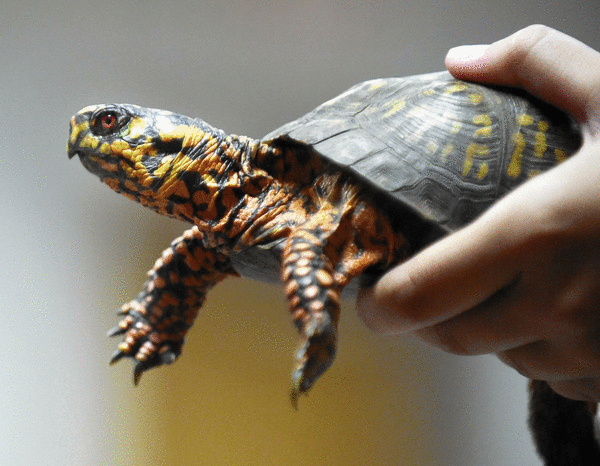
BALTIMORE — Can your child keep that box turtle they found in the woods and fell in love with?
Maryland’s Department of Natural Resources is considering rules to prohibit taking native reptiles and amphibians from the wild, to more tightly limit ownership and to require permits for those taken before the new rules take effect. Public comment on the proposed rules will be open until Nov. 27.
“Due to conservation concerns including collection pressure, disease transmission, and illegal trade, DNR is considering changes to regulations to prohibit collection of native reptiles and amphibians from the wild and limit possession, breeding, sale, and trade except by special permit,” the department said in a statement.
Current rules, updated in 2016, allow an individual to possess no more than four reptiles or salamanders from a list in the state regulation without a permit, and no wood turtles, spotted turtles or diamondback terrapins. Exemptions exist for albino reptiles, amphibians, or other color mutations resulting from captive breeding, but the law limits the trade in these animals.
So far this year, Maryland issued 122 captive reptile and amphibian permits, a DNR spokesperson told The Baltimore Sun. The state does not have an estimate of how many people own regulated species without a permit.
Only one eastern box turtle, eastern painted turtle, midland painted turtle, eastern mud turtle, northern red-bellied cooter, stinkpot, broad-headed skink, eastern six-lined racerunner, eastern hog-nosed snake, queen snake, or common ribbon snake can be taken from the wild, the regulation states.
An individual can take up to 10 American bullfrogs from the wild in a given day for food but can’t sell them, according to the rules. So, any restaurant selling fried frog legs must obtain their legs from outside Maryland.
_____
©2026 The Baltimore Sun. Visit at baltimoresun.com. Distributed by Tribune Content Agency, LLC.






Comments