6 foods that could make your seasonal allergies worse
Published in Health & Fitness
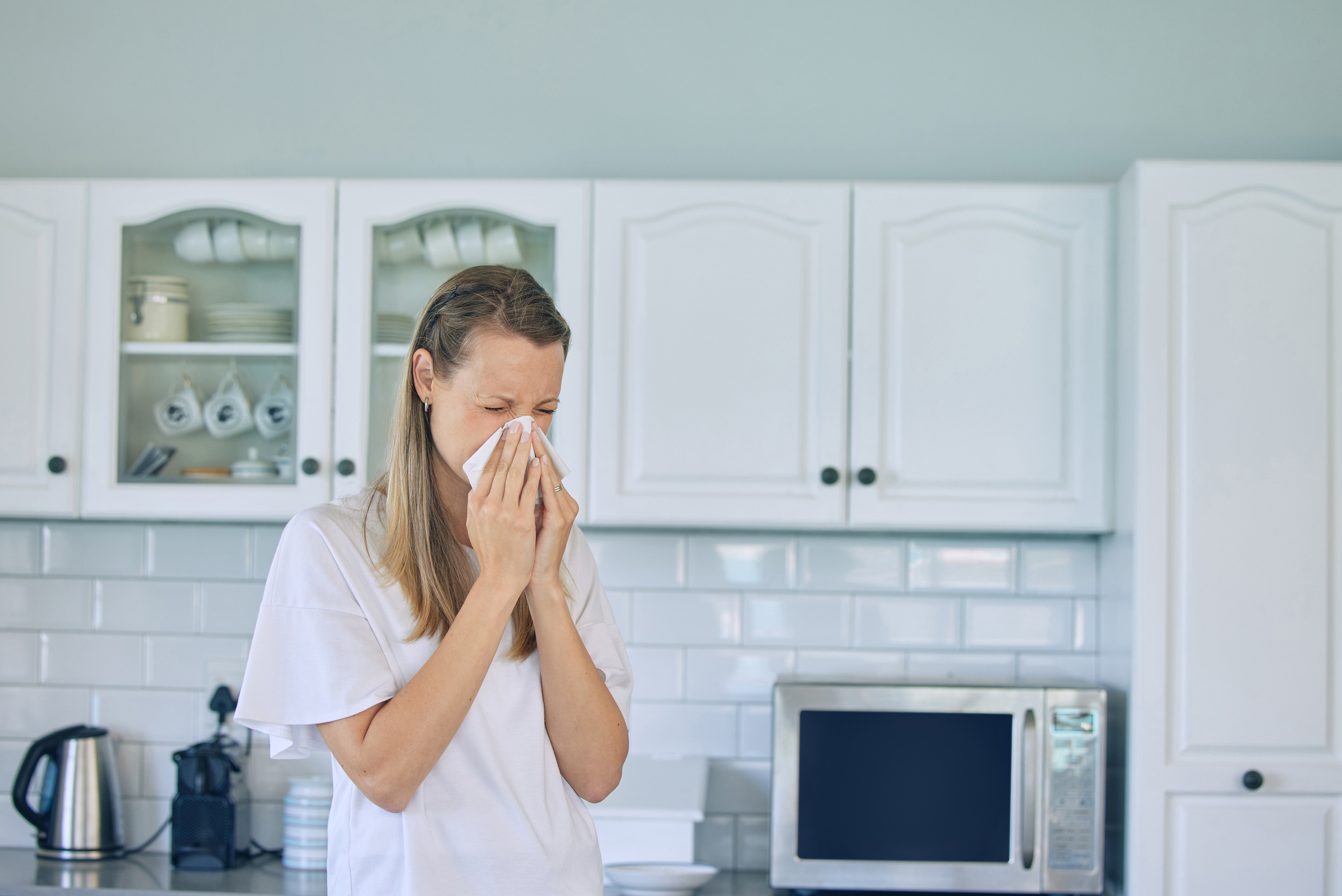
For many allergy sufferers, the change in seasons can bring more than just a shift in the weather — it can trigger a range of uncomfortable symptoms, including sneezing, coughing, congestion, and more. While pollen in the air is a common culprit, certain foods can also worsen allergic reactions due to their inflammatory properties, histamine levels, or immune responses. Knowing which foods to avoid can help you navigate the season with fewer allergy flare-ups.
1. Nuts
Tree nut allergies are common, but did you know that seasonal allergies to tree pollen could make you more sensitive to certain nuts? For example, people with birch tree pollen allergies are more likely to have allergic reactions to hazelnuts and almonds. This is because the proteins in these nuts are similar to those found in birch tree pollen, causing cross-reactivity.
2. Chamomile
Chamomile is widely used for its calming properties, but it can also trigger allergic reactions in people with a history of severe pollen allergies. According to registered dietitian Bid-Lose Francisque, MPH, RD, LDN, “Chamomile contains proteins that may cross-react with birch pollen, leading to allergic reactions such as skin rashes, respiratory issues, or in rare cases, anaphylaxis.”
If you're prone to allergies, it's best to consult with a healthcare professional before using chamomile tea, supplements, or essential oils.
3. Certain fruits and vegetables
If you’re allergic to birch tree pollen, ragweed, or grass pollen, certain fruits and vegetables may trigger allergic reactions. This is due to a condition known as Oral Allergy Syndrome (OAS), or Pollen-Food Allergy Syndrome (PFAS), where the immune system mistakes proteins in raw fruits and vegetables for similar proteins in pollen. Depending on which pollen you’re allergic to, here’s what to avoid:
4. Spicy foods
While spicy foods can help clear your sinuses temporarily, they can also irritate your body and worsen allergy symptoms, says registered dietitian Lindsay Fencl, RD, CD. Spicy peppers, such as jalapeños, habaneros, and chili peppers, contain capsaicin, a compound that stimulates the production of histamines.
If you’re sensitive to histamines, consider cutting back on spicy foods during allergy season to avoid additional irritation.
5. Alcohol
Many alcoholic beverages, including beer, red wine, sparkling wine, and fermented and aged alcohols, contain high levels of histamines, which can trigger inflammation and allergic reactions.
If you’re sensitive to histamines, opt for lower-histamine alcoholic drinks, such as white wine or clear spirits, and avoid beverages with sulfites.
6. Dairy products
The relationship between dairy products and allergy symptoms is complex. Registered dietitian Alexandria Hardy, RDN, LDN, of Pennsylvania Nutrition Services, explains, “Traditional observational studies may show a higher risk of hay fever in individuals who drink milk, but genetic testing indicates the opposite. There is plenty of anecdotal evidence surrounding dairy consumption and allergy symptoms — mucus production and sneezing being the top offenders—but more research is needed to determine if dairy foods are protective or harmful for seasonal allergy sufferers.”
Some dairy-rich foods like yogurt and aged cheese may contain histamines, which can trigger an allergic reaction in sensitive individuals.
If dairy worsens your allergy symptoms, consider opting for dairy alternatives, such as oat milk, coconut yogurt, or other plant-based options, during allergy season.
(Real Simple magazine provides smart, realistic solutions to everyday challenges. Online at www.realsimple.com.)
©2026 Dotdash Meredith. All rights reserved. Used with permission. Distributed by Tribune Content Agency, LLC.









Comments