8 spring superfoods you should be eating more
Published in Health & Fitness
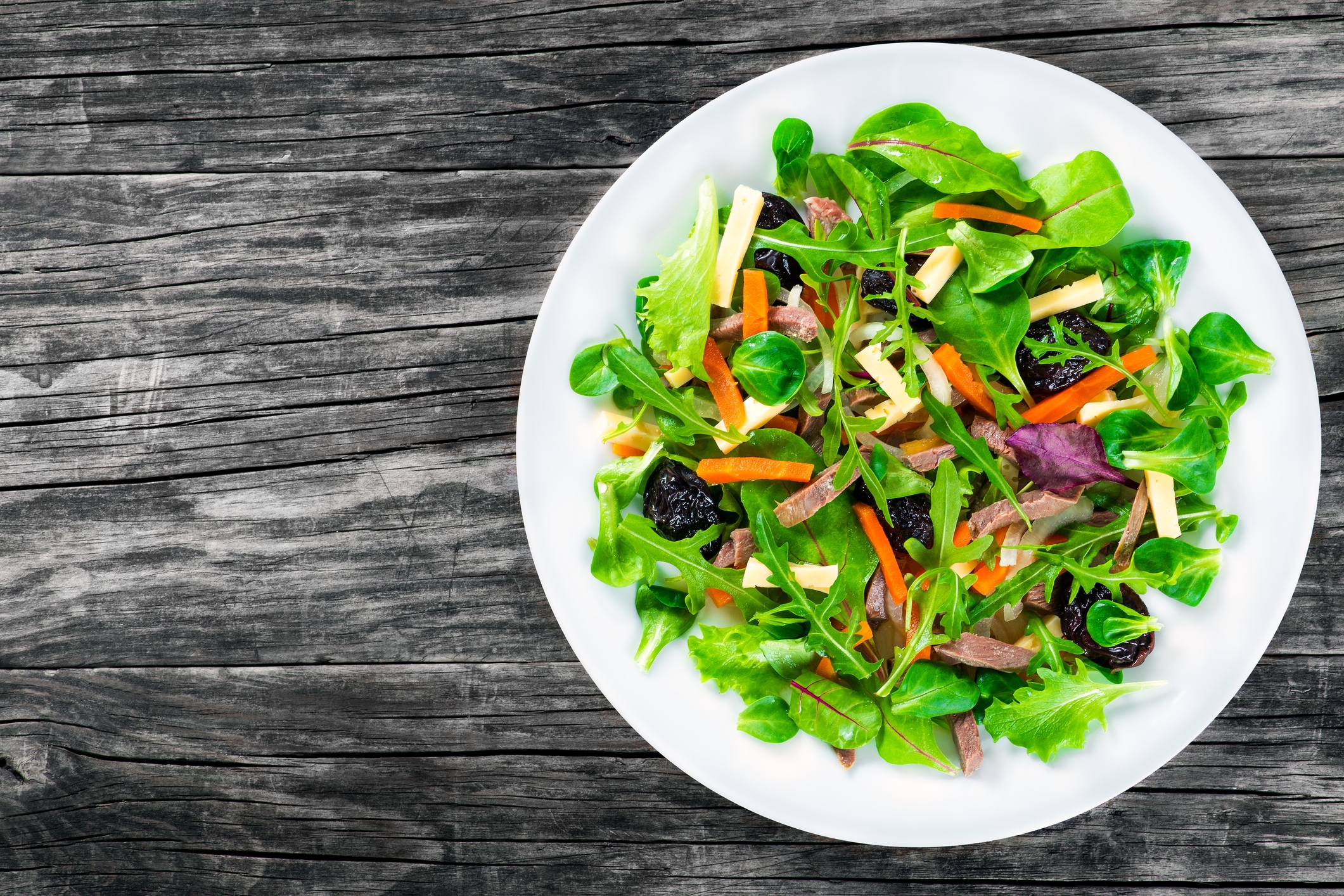
Spring is in full swing, which means the growing season is officially underway in many parts of the country. Soon, local and seasonal produce will be available at your local grocery store, farm stand, farmers’ markets, or even in your very own backyard.
“Seasonal eating means consuming produce at its peak ripeness, which helps retain more of the food’s natural vitamins and nutrients.” says Jamie Baham, MS, RDN, LD, a cancer prevention dietitian based in Oklahoma City.
To help you embrace the bounty of the season, we’ve rounded up eight of the most nutrient-dense (and delicious) spring season superfoods to try this year.
1. Strawberries
“Strawberries are an excellent source of vitamin C, potassium, folate, and antioxidants, which help reduce free radicals linked to cancer and diabetes, among other conditions,” explains Sandra Avitia, MS, RD, LDN, a registered dietitian based in Chicago. These berries are excellent in smoothies, oatmeal, chia pudding, yogurt bowls, salads, baked goods, or better-for-you frozen desserts.
2. Spinach
Spring is absolutely the best time to get your hands on some locally-grown, super-nutritious spinach. “This deep, leafy green is high in iron and fiber,” says Baham. You can also find vitamins A, C, and K in this hearty green, and all of these nutrients combine to support eye, blood, immune, metabolic, and gut health! Add it to stir fries, egg dishes, simple salads, and dips.
3. Asparagus
“Asparagus is rich in vitamins A, C, E, and K, and it is a good source of fiber and folate. These nutrients benefit the digestive system and promote healthy skin,” explains Avitia. Asparagus can be added to pastas, salads, pizzas, and crudités platters; however, this veggie really shines when kissed by the grill.
4. Blackberries
Blackberries are also ripe and ready this time of year. “These deep purple gems are packed with anthocyanins, and may support digestive health by encouraging beneficial gut bacteria like Bifidobacteria and Lactobacilli to thrive in the gut microbiome,” says Baham. These berries are also packed with fiber, potassium, and vitamin C.
5. Peas
Regardless of which kind you choose, most peas offer similar nutrition. “Peas are high in protein, which is essential for building muscle. They also contain fiber, vitamins A, C, and K, as well as various antioxidants. The combination of protein and fiber helps you feel fuller for a longer period of time, aiding in digestion and promoting satiety,” says Avitia.
6. Carrots
“Carrots are loaded with beta and alpha carotenes, which may help reduce cancer risk,” offers Baham. You’ll also find plenty of fiber, potassium, and vitamin C in these orange veggies for an extra gut, heart, and immune health boost.
7. Arugula
Arugula is one of the most nutrient-dense leafy greens. “Arugula is one of my favorite ingredients for a salad. It contains vitamin A and beta-carotene, which help with digestion, eyesight, and bone health due to its calcium and vitamin K content,” explains Avitia.
8. Mushrooms
Some of the most delicious mushroom varieties can be foraged for (or purchased from local mushroom purveyors at farmers’ markets) in the spring. “Mushrooms are a good source of vitamin D (when grown with access to UV light), which supports bone health and immune function. I love adding them into a veggie omelette or sautéed into stir-fries for that rich, umami flavor,” says Baham.
(Real Simple magazine provides smart, realistic solutions to everyday challenges. Online at www.realsimple.com.)
©2026 Dotdash Meredith. All rights reserved. Used with permission. Distributed by Tribune Content Agency, LLC.









Comments