Remedies for motion sickness: What works?
Published in Health & Fitness
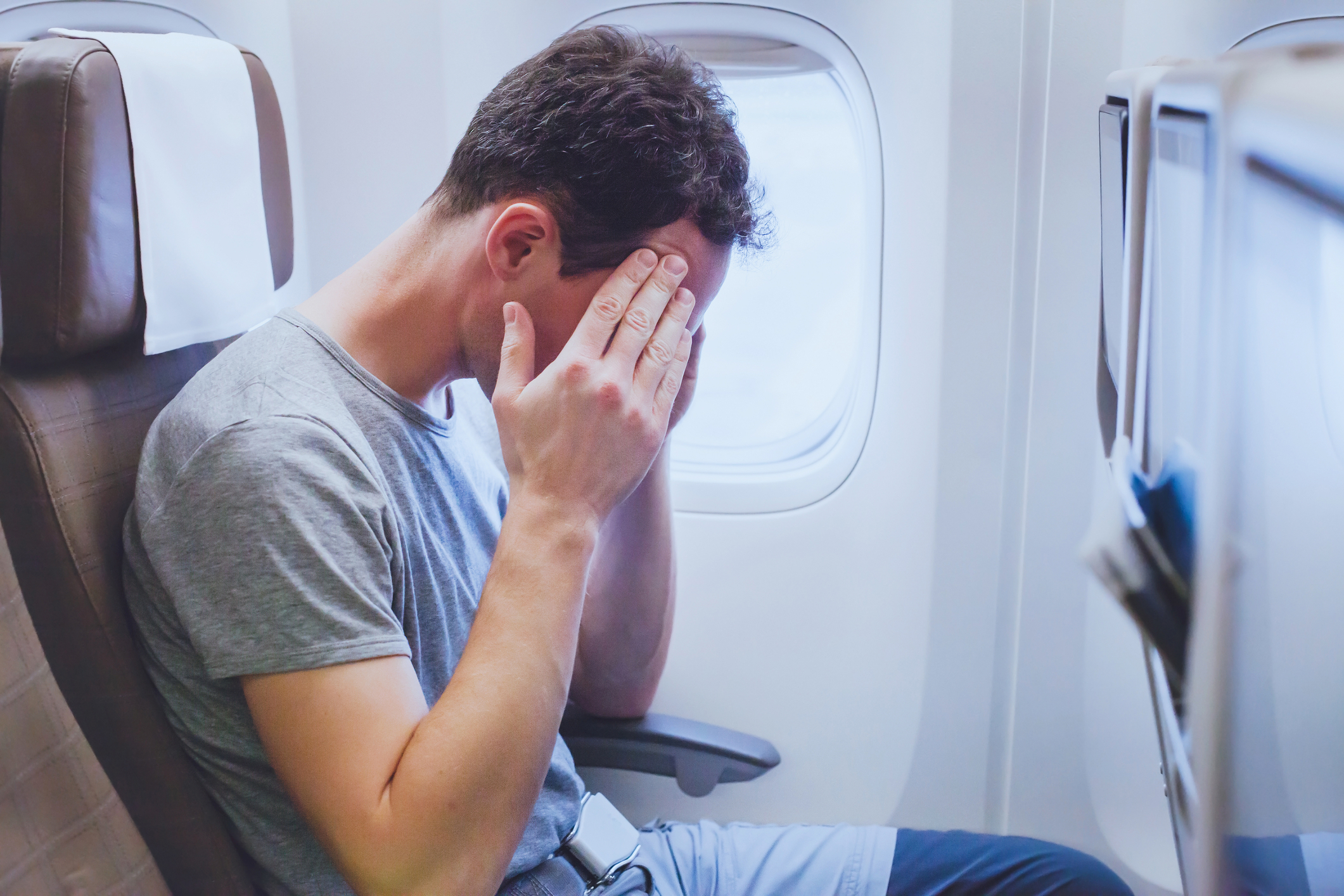
If you’re prone to motion sickness, you’re probably familiar with some of the simple steps to quell the nausea, dizziness, and cold sweats that this common problem can trigger. For example, when traveling by car, insist on driving or ride in the front seat. On a boat, stare at the horizon or close your eyes.
“Motion sickness was long thought to arise from a sensory conflict between your vision, inner ear, and other senses. Now, most experts think it also stems from a mismatch between what your brain predicts about how your body will move and what actually happens,” says Dr. Richard Lewis, a neurologist at Harvard-affiliated Massachusetts Eye and Ear who specializes in balance disorders. Because these normal brain responses are quite complex, preventing and treating motion sickness has proven challenging, he says. Here’s a rundown of the currently available remedies.
Can you steer clear of motion sickness?
About one-third of people are highly susceptible to motion sickness. These tips may help keep the problem at bay:
Wristbands: Pressure or pulses
Two types of devices stimulate the median nerve in the inner wrist, which purportedly dampens nausea signals in the brain. Acupressure bands are made of stretchy fabric and feature a small, hard plastic button that presses a spot on the inner wrist. They’re available for less than $10 a pair. Electric or neuromodulation bands resemble fitness bands with silicone or nylon straps. They deliver low-level electrical pulses to the inner wrist and range in price from about $80 to $250.
However, the evidence for effectiveness for either type of band is mixed. “The general consensus is that any benefit people experience from these bands is probably a placebo effect,” says Lewis. Still, some people find the acupressure bands helpful. Because they’re safe and inexpensive, they may be worth trying, he says.
Glasses for motion sickness?
These glasses feature four frames - two in front of your eyes and one on each side - with either clear or no lenses. The hollow frames are partly filled with a blue liquid that shifts with the movement of the person’s environment, such as a car or boat. “The idea behind these is that they create an artificial horizon, which may give you a better sense of how you’re oriented to gravity,” says Lewis. In theory, your brain uses that information to minimize motion sickness.
Do they work? A 2026 study that compared motion sickness glasses with a fake pair (the same glasses but without any liquid) found that neither the real nor the fake glasses alleviated symptoms. (To induce motion sickness, the 30 participants experienced a virtual reality program designed to simulate a “scrambler” amusement park ride.) As with the wristbands, Lewis suspects the placebo effect may explain the positive anecdotal reports about the glasses. But there’s no harm in trying them, especially since the glasses cost only about $10.
Medications for motion sickness
Drugs to prevent or treat motion sickness are fairly effective, but they can have unwanted side effects. “Most work by suppressing the balance signals that your inner ear sends to your brain,” Lewis explains. They include over-the-counter antihistamine pills such as dimenhydrinate (Dramamine), meclizine (Bonine), and the prescription drug promethazine (Phenergan). Drowsiness is a common side effect.
Another option is a prescription scopolamine patch (Transderm Scop), which you place behind your ear four hours before travel. Because the effects last up to 72 hours, the patches are popular among people on cruises. Common side effects include dry eyes and mouth, blurred vision, and headache. The patch can also increase body temperature, and in 2025, the FDA released a warning about serious heat-related complications from scopolamine patches. Most occurred in children under 17 and adults 60 and older; anyone with cardiac, cognitive, or visual problems should talk to their doctor before using this drug.
In December 2025, the FDA approved tradipitant (Nereus), a pill that helps prevent vomiting caused by motion sickness. While it targets a specific brain receptor involved in vomiting, the drug’s effectiveness on nausea alone isn’t clear. Sleepiness and headache can occur.
(Julie Corliss is executive editor of Harvard Heart Letter.)
©2026 Harvard University. For terms of use, please see https://www.health.harvard.edu/terms-of-use. Distributed by Tribune Content Agency, LLC.







Comments